Is Sedation Dentistry Safe? Answers to Common Questions
Many people avoid dental care because of fear, anxiety, or concerns about discomfort during treatment. For some patients, even routine cleanings can feel overwhelming. Sedation dentistry offers a way to help patients feel more relaxed and comfortable during dental visits, making it easier to receive the care they need without unnecessary stress.
One of the most common questions patients ask is whether sedation dentistry is actually safe. The short answer is yes. When administered by trained dental professionals and carefully tailored to the patient’s health history and treatment needs, sedation dentistry is considered a safe and effective option for both adults and children. Understanding how it works and what to expect can help patients feel more confident before their appointment.
What Is Sedation Dentistry?
Sedation dentistry uses medication to help patients relax during dental procedures. Depending on the type of sedation used, patients may feel calm and drowsy while remaining awake, or they may enter a deeper state of relaxation for more complex procedures. Sedation can be especially helpful for patients with dental anxiety, a strong gag reflex, sensitive teeth, or difficulty sitting still for long periods.
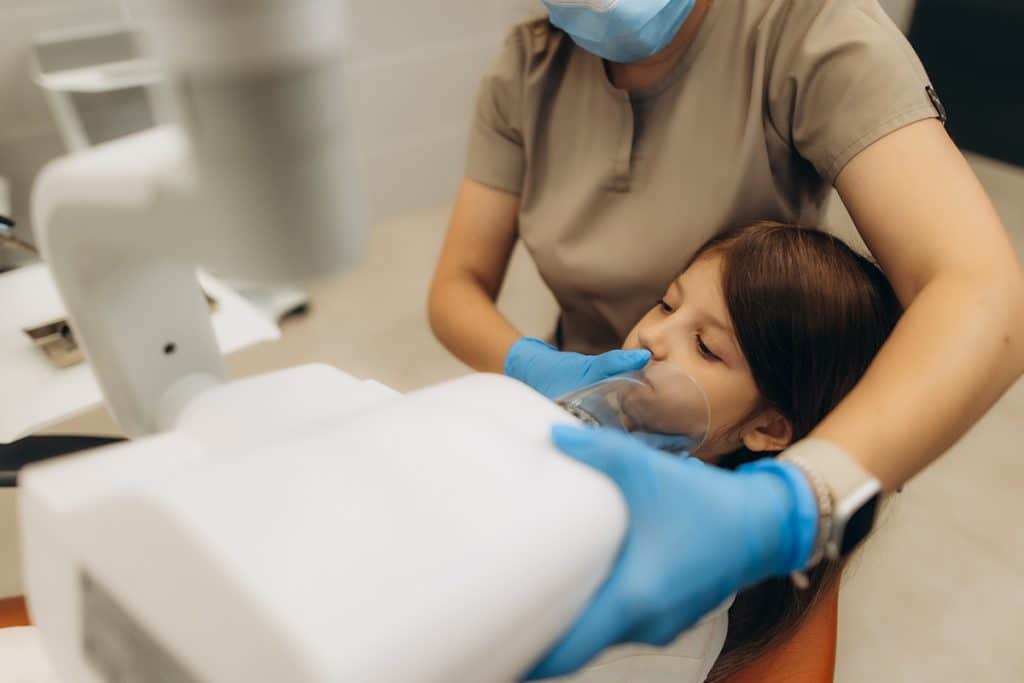
There are several forms of sedation commonly used in dentistry. Nitrous oxide, often called laughing gas, is one of the mildest options and is inhaled through a small mask placed over the nose. Oral conscious sedation involves taking prescribed medication before the appointment to promote relaxation. IV sedation provides a deeper level of sedation and is administered directly into the bloodstream for more precise control.
At Venice Comprehensive Dentistry, patient safety and comfort are always priorities. Before recommending any form of sedation, the dental team carefully reviews the patient’s medical history, medications, and treatment goals to determine the safest and most appropriate approach.
How Safe Is Sedation Dentistry?
For most healthy patients, sedation dentistry is very safe when provided by experienced dental professionals. Dentists who offer sedation services complete specialized training to monitor patients closely throughout treatment. Safety protocols are followed carefully before, during, and after the procedure.
During sedation, the dental team monitors important vital signs such as oxygen levels, heart rate, and blood pressure. This ongoing monitoring helps ensure the patient remains comfortable and stable throughout the appointment. The type and amount of sedation are adjusted based on the patient’s individual needs and the complexity of the procedure.
Complications from sedation dentistry are rare, especially when patients follow all pre-treatment instructions. Patients are typically advised to avoid eating or drinking for a certain period before deeper sedation appointments and to arrange transportation home afterward. Following these instructions helps minimize risks and supports a smoother recovery.
Age alone does not automatically make sedation unsafe. Both younger and older patients may benefit from sedation when proper precautions are taken. The key is individualized treatment planning and careful evaluation by the dental team.
Who Is a Good Candidate for Sedation Dentistry?
Sedation dentistry can benefit a wide range of patients. Many people who seek sedation have dental anxiety or fear caused by previous negative experiences. Others may have trouble becoming numb with local anesthesia or feel uncomfortable during longer procedures.
Patients who may be good candidates for sedation dentistry include:
- Individuals with moderate to severe dental anxiety
- Patients undergoing lengthy or complex treatments
- People with a strong gag reflex
- Patients with sensitive teeth or difficulty tolerating dental work
- Individuals with physical or cognitive conditions that make dental visits challenging
- Patients who have delayed dental treatment due to fear
Some patients may not be ideal candidates for certain forms of sedation, particularly those with specific medical conditions or breathing disorders. That is why a thorough consultation is so important before treatment begins.
What Does Sedation Feel Like?
The experience varies depending on the type of sedation used. Nitrous oxide typically creates a light, calm feeling that wears off quickly after the appointment. Patients remain awake and aware but feel more relaxed during treatment.
Oral sedation often creates a deeper sense of calm and may cause patients to feel sleepy or groggy. Many patients remember very little about the procedure afterward, which can help reduce anxiety surrounding future dental visits.
IV sedation provides an even deeper level of relaxation. Patients are still able to respond to instructions but often feel as though they slept through the procedure. Because deeper sedation can temporarily affect coordination and alertness, patients need someone to drive them home after the appointment.
Most patients report that sedation makes dental care much easier and more manageable. Many even say they wish they had tried it sooner because it helped remove the fear that had prevented them from seeking care.
Common Myths About Sedation Dentistry
There are several misconceptions about sedation dentistry that can make patients hesitant to consider it. Understanding the facts can help patients make more informed decisions about their care.
One common myth is that sedation dentistry is only for major oral surgery. In reality, sedation can be used for many different procedures, including cleanings, fillings, crowns, and preventive care visits for anxious patients.
Another misconception is that patients are completely unconscious during sedation. Most forms of sedation used in dental offices allow patients to remain awake and responsive while feeling deeply relaxed.
Some people also assume sedation is unsafe because they associate it with hospital anesthesia. Dental sedation is different from general anesthesia and is carefully controlled based on the patient’s needs and medical history.
Patients may also worry about becoming addicted to sedation medications. Sedation dentistry medications are administered in controlled settings for specific procedures and are not intended for long-term use.
How to Prepare for a Sedation Dentistry Appointment
Preparation instructions depend on the type of sedation being used. Patients receiving oral or IV sedation are often asked to avoid eating or drinking for several hours beforehand. The dental office may also recommend wearing comfortable clothing and avoiding certain medications unless approved by the dentist.
It is important for patients to provide a complete medical history, including any medications, allergies, or health conditions. This information helps the dental team choose the safest sedation method possible.
Patients should also arrange for a trusted friend or family member to drive them home after appointments involving deeper sedation. Recovery times vary, but most patients are able to resume normal activities by the following day.
Following all instructions carefully helps ensure the appointment goes smoothly and safely from start to finish.
A Comfortable Dental Experience Starts with the Right Care
Sedation dentistry has helped countless patients overcome fear and receive the dental treatment they need in a calm, comfortable environment. With proper screening, monitoring, and professional care, sedation dentistry is considered a safe option for many individuals seeking stress-free dental visits.
For patients who have postponed treatment due to anxiety or discomfort, sedation may provide the support needed to restore both oral health and confidence. Working with an experienced dental team can help patients feel informed, safe, and relaxed throughout every step of the process.
Frequently Asked Questions About Sedation Dentistry
Is sedation dentistry safe for children?
In some cases, sedation dentistry may be recommended for children who experience severe anxiety or have difficulty sitting through treatment. Pediatric sedation is carefully planned based on the child’s age, weight, and medical history to ensure safety.
Will I be asleep during sedation dentistry?
Most dental sedation methods do not put patients fully asleep. Instead, patients remain awake but deeply relaxed and comfortable during treatment.
How long does it take for sedation to wear off?
Nitrous oxide typically wears off within minutes after treatment. Oral and IV sedation may take several hours to fully wear off, which is why patients need transportation home afterward.
Can I eat before a sedation dentistry appointment?
For deeper forms of sedation, patients are often instructed not to eat or drink for several hours beforehand. The dental office will provide specific instructions based on the type of sedation being used.
Is sedation dentistry covered by insurance?
Coverage varies depending on the insurance provider and the type of procedure being performed. Some plans may partially cover sedation if it is considered medically necessary.
At Venice Comprehensive Dentistry, we believe every patient deserves to feel comfortable and confident during dental care. Our team is committed to creating a welcoming environment while offering advanced solutions that help reduce anxiety and improve the patient experience. We take the time to understand each patient’s concerns so we can provide personalized care tailored to their needs. Contact us today to learn more and schedule a consultation.