Emergency Dental Care in Venice, FL: What Counts as a Dental Emergency?
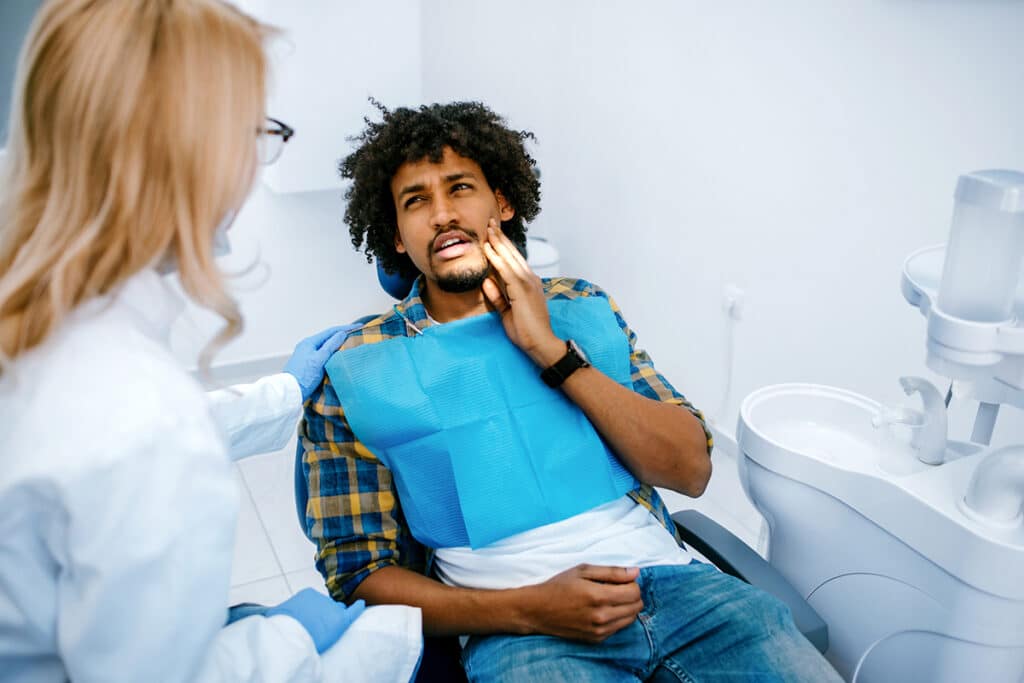
Dental problems rarely happen at a convenient time. A sudden toothache during the weekend, a chipped tooth after a fall, or a crown that comes loose while eating can leave you wondering whether you need immediate treatment or if the issue can wait. Knowing the difference is important because delaying care for a true dental emergency can increase pain, lead to infection, and make treatment more complicated.
If you are experiencing severe pain, swelling, bleeding, or damage to a tooth, seeking prompt emergency dental care can help protect your oral health and improve the chances of saving your natural tooth. At Venice Comprehensive Dentistry, our team understands how stressful dental emergencies can be and offers prompt care to help patients return to comfort as quickly as possible. Our practice provides emergency dental services along with comprehensive preventive, restorative, cosmetic, and surgical care using advanced technology and a patient-first approach.
What Is Considered a Dental Emergency?
A dental emergency is any oral health problem that requires immediate attention to relieve severe pain, stop bleeding, prevent infection, or save a damaged tooth. While not every dental concern requires same-day treatment, certain symptoms should never be ignored.
Some of the most common dental emergencies include:
- Severe or persistent tooth pain
• A knocked-out permanent tooth
• A cracked, broken, or fractured tooth
• Significant swelling in the gums, face, or jaw
• An abscess or visible infection
• Uncontrolled bleeding after an injury
• Trauma involving the teeth or mouth
• A lost filling or crown that causes severe pain or exposes sensitive tooth structure
If you are unsure whether your situation qualifies as an emergency, it is always safest to contact your dental office. A dental professional can evaluate your symptoms and determine how quickly you should be seen.
Dental Problems That Should Be Treated Right Away
Some dental conditions require immediate care because every minute matters.
Knocked-Out Tooth
A knocked-out permanent tooth is one of the most time-sensitive dental emergencies. If treated quickly, there is often a chance the tooth can be successfully reimplanted.
Handle the tooth only by the crown, avoid touching the root, gently rinse away debris with water if necessary, and try placing it back into the socket if possible. If that is not an option, store it in milk or saliva and contact your dentist immediately.
Severe Toothache
A persistent toothache can indicate deep decay, an infection, or damage to the nerve inside the tooth. If pain is intense, keeps you awake, or is accompanied by swelling or fever, you should seek emergency dental treatment promptly.
Dental Abscess
An abscess is a serious bacterial infection that develops around the root of a tooth or in the gums. Symptoms may include swelling, pus, a bad taste in the mouth, facial swelling, or fever.
An untreated abscess can spread beyond the mouth and become a more serious health concern. Prompt treatment is essential.
Broken or Fractured Tooth
Not every chipped tooth requires emergency treatment, but a large fracture, severe pain, or exposed inner tooth structure should be evaluated as soon as possible. Early treatment can often preserve more of the natural tooth and reduce the need for extensive restorative procedures.
Situations That May Not Require Immediate Emergency Care
Some dental issues are uncomfortable but may safely wait until the next available appointment.
Examples include:
- Minor tooth sensitivity
• A small chip without pain
• A loose orthodontic bracket
• Mild discomfort from a new filling
• Food trapped between teeth
• A lost filling or crown that is not causing pain
Even if these problems are not true emergencies, they should still be addressed promptly before they worsen. When in doubt, call your dentist. Receiving guidance over the phone can help you determine whether you should come in immediately or schedule a future visit.
What to Do Before You Reach the Dentist
Knowing how to respond during a dental emergency can make a significant difference in your outcome.
- For a toothache: Rinse your mouth with warm water and gently floss around the affected tooth to remove any trapped debris. Avoid placing aspirin directly on the gums because it may irritate the tissue.
- For swelling: Apply a cold compress to the outside of your face for 15 to 20 minutes at a time to help reduce swelling and discomfort.
- For bleeding: Use clean gauze and apply gentle pressure until the bleeding slows or stops.
- For a broken tooth: Save any pieces if possible, rinse your mouth with warm water, and avoid chewing on that side of your mouth until you are evaluated.
- For a knocked-out tooth: Time is critical. Contact your dentist immediately while following the handling instructions described above.
Avoid attempting home repairs using household adhesives or over-the-counter products that are not designed for dental use. Professional treatment provides the safest and most effective solution.
How Emergency Dental Care Can Save Your Smile
Many people delay treatment because they hope the pain will go away on its own. Unfortunately, dental problems rarely resolve without professional care.
Prompt emergency treatment can:
- Save a natural tooth from extraction
• Prevent infections from spreading
• Reduce pain more quickly
• Preserve healthy surrounding teeth
• Prevent more costly procedures later
• Restore normal chewing and speaking sooner
Modern dentistry also offers numerous restorative options when damage occurs. Depending on your needs, treatment may include fillings, crowns, root canal therapy, extractions, or dental implants to restore both function and appearance. Venice Comprehensive Dentistry offers comprehensive restorative services designed to help patients maintain their natural teeth whenever possible.
When Prevention Is the Best Emergency Plan
While accidents cannot always be avoided, many dental emergencies are preventable with good oral health habits.
Brushing twice daily, flossing every day, attending regular dental checkups, and wearing a custom mouthguard during sports all help reduce your risk of unexpected dental injuries.
Avoid chewing ice, hard candy, popcorn kernels, or using your teeth as tools to open packages. These habits can lead to cracked or fractured teeth that may require emergency treatment.
Routine preventive care also allows your dentist to detect cavities, worn restorations, and small cracks before they develop into painful emergencies.
Don't Wait to Get the Care You Need
Dental emergencies can happen without warning, but knowing when to seek immediate care can help protect your smile and your overall health. Whether you are experiencing severe pain, a broken tooth, swelling, or another urgent dental concern, prompt treatment often leads to better outcomes and a more comfortable recovery.
The experienced team at Venice Comprehensive Dentistry is committed to providing compassionate, comprehensive care for patients throughout Venice and the surrounding communities. If you believe you are experiencing a dental emergency, contacting our office as soon as possible is the best first step toward protecting your smile.
Frequently Asked Questions About Emergency Dental Care
Can I wait until tomorrow if my tooth hurts?
It depends on the severity of your symptoms. Mild sensitivity may be able to wait, but severe pain, swelling, fever, or trauma should be evaluated as soon as possible to prevent the problem from worsening.
Is a chipped tooth always considered a dental emergency?
Not always. A small chip without pain can often be scheduled during normal office hours, while a large fracture, exposed tooth, or significant pain should receive prompt attention.
Should I go to the emergency room for a dental emergency?
Hospital emergency rooms can help with severe facial injuries, uncontrolled bleeding, or difficulty breathing. Most dental emergencies involving teeth, fillings, crowns, or infections are best treated by a dentist who has the equipment and expertise to address the underlying problem.
What should I do if my dental crown falls off?
If your crown comes off, keep it in a safe place and contact your dentist as soon as possible. Avoid chewing on the affected tooth, and do not try to permanently reattach the crown yourself, as this could damage the tooth or restoration.
Can a cracked tooth become worse if I wait to get treatment?
Yes. Even a small crack can spread over time, especially when you chew or bite down. Prompt evaluation allows your dentist to determine the extent of the damage and recommend treatment before the tooth becomes more difficult to restore.
At Venice Comprehensive Dentistry, we are proud to provide personalized dental care for patients throughout Venice and the surrounding communities. Our experienced team offers comprehensive preventive, restorative, cosmetic, and emergency dental services with a focus on helping every patient maintain a healthy, confident smile. Contact us today.